 Call us now:
Advocating for the End of Animal Research in Canada Since 1990.
We must end the use of dogs and cats in unethical research, testing, and education. This amendment is a critical first step toward ending the use of all animals in research and advancing human-relevant science across Canada.
3,706,907
Total Number of Animals
Used in Science in Canada
in 2024
49,357
Dogs and Cats Used
in Science in Canada
in the Last 3 Years
205
# of CCAC Certified Institutions that Report Animals Used
Unknown
# of Research Facilities in Canada Conducting Animal Testing but Don’t Report
Meet the Advisory Group

Dr. Andrew Fenton, PhD
Professor, Department of Philosophy; and Law, Justice and Society Program, Dalhousie University
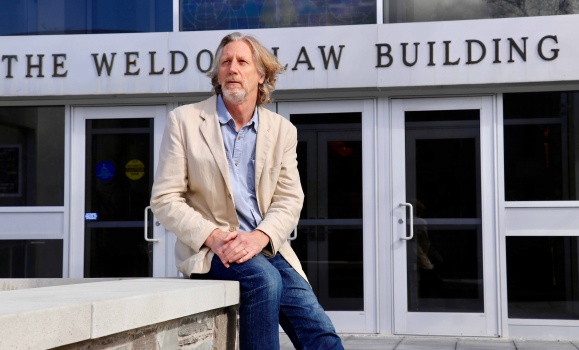
Prof. Vaughan Black (Retired)
Schulich School of Law, Dalhousie University

Dr. Zahra Kassam, MBBS MSc FRCPC DipABLM
Staff Radiation Oncologist, Department of Radiation Oncology, Stronach Regional Cancer Centre, Southlake Regional Health Centre; and Assistant Professor, Department of Radiation Oncology, University of Toronto
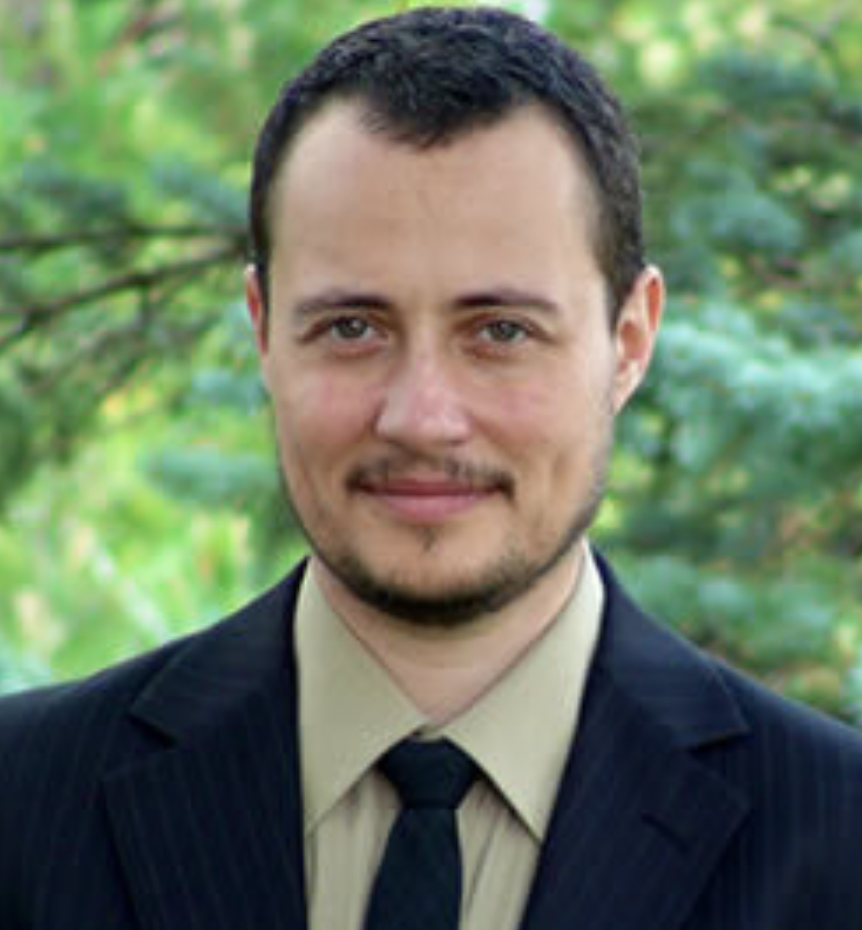
Dr. Olivier Berreville, PhD
Biologist; Scientific Advisor, Canadians for the Ethical Treatment of Farmed Animals; Canadian National Contact for the International Network for Humane Education

Dr. Aysha Akhtar, M.D., M.P.H
Neurologist; and Co-Founder, CEO, President of the Center for Contemporary Sciences

L. Syd M Johnson, PhD, HEC-C
Center for Bioethics & Humanities, State University of New York Upstate Medical University

Dr. Irina Ghenea, MD, CFPC
Physician, Family Medicine, Nova Scotia
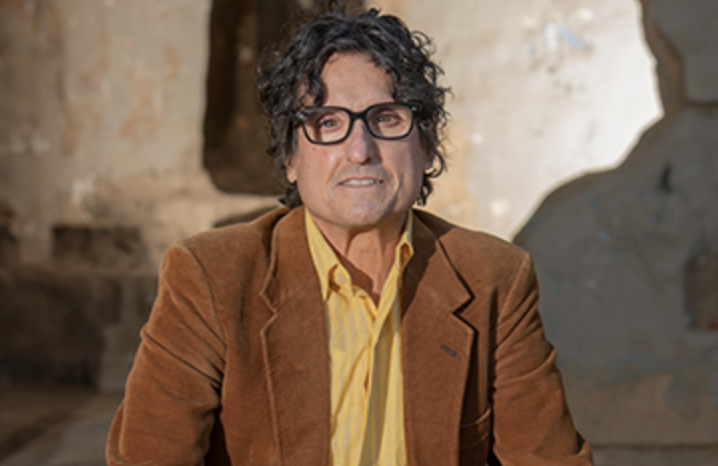
Dr. Robert C. Jones, PhD
Professor of Philosophy, California State University, Dominguez Hills

Prof. Andrew Knight, BSc, BVMS, MANZCVS, DipWCAWBM, DACAW, PhD, MRCVS, SFHEA
Professor of Animal Welfare and Ethics, School of Veterinary Medicine, College of Environmental and Life Sciences, Murdoch University; and School of Environment and Science, Griffith University

Dr. Margaret Robinson, PhD
Associate Professor of Sociology and Social Anthropology, Dalhousie University

Eric Ocelewski
CTO; and Co-Founder, Pi and Power Inc.

Angela Fernandez
Professor (Law & History) & Director Animal Law Program, University of Toronto
Dr. Andrew Fenton